Root Canal Myths That Keep People From Saving Their Teeth
Root Canal Myths That Keep People From Saving Their Teeth
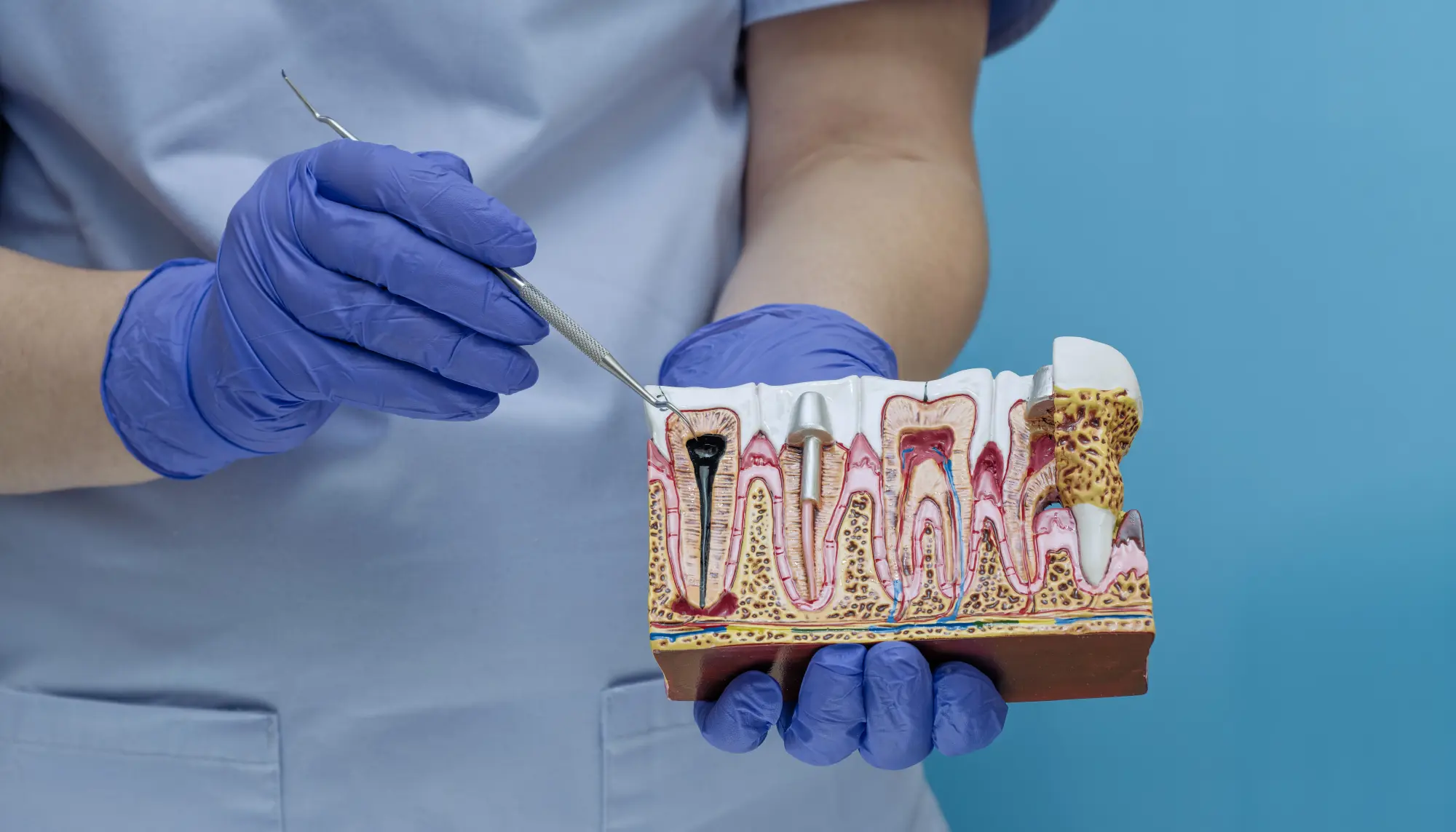
Most of the fear around root canals comes from stories that are decades out of date. Modern root canal treatment is done with local anesthesia, feels much like getting a filling, and relieves the pain of an infected tooth instead of causing it.
At Smiles Made Perfect, Dr. Gabrielle Harr and Dr. Jordan Britton offer trusted Springfield dental care. Every week, we talk with patients who have put off treatment because of something negative they heard about root canals, extractions, or other dental procedures.
This guide sorts fact from fiction so you can make a decision based on what actually happens in the chair. If you have a toothache right now and need emergency dental care, call us at (417) 887-4435.
Why Root Canal Myths Spread So Easily
Root canals have carried a bad reputation for a long time. A tooth that needs one is usually already hurting, so people link the treatment with the pain instead of linking it with the relief that follows.
Old Stories Get Passed Down
Many people repeat what a parent or grandparent went through decades ago. Techniques, anesthetics, and equipment have changed a great deal since then. A story from 1985 does not describe a visit today.
Online Claims Travel Faster Than Facts
Social media posts and forum threads often make dramatic claims with no dental research behind them. One of the most persistent is that root canals cause illness elsewhere in the body. That idea comes from a discredited study from the early 1900s, and no modern research since then has supported this conclusion.
Is a Root Canal Painful? What Patients Actually Feel
This is the question we hear most. The short answer is “no.” The procedure itself is not meant to hurt. Your tooth and the surrounding area are numbed before we begin, and we check that you are comfortable before starting any work.
The pain people associate with root canals comes from the infection or inflammation inside the tooth, not from the treatment.
In fact, once the damaged tissue is removed, that pressure and throbbing will go away, and you’ll actually feel much better than you did before your root canal. You can read more about root canal therapy here, and get plenty of details on what it involves.
What Most Patients Notice
- Pressure or vibration during treatment, but not sharp pain
- Mild tenderness for a few days afterward, usually manageable with over-the-counter pain relievers
- Relief from the original toothache, either immediately after treatment or after a day or two
- A return to normal chewing once the tooth is fully restored
If you tell us something does not feel right, we pause and adjust. Your comfort comes first, and you are always in control of the pace.
The Case for Saving a Natural Tooth
Some people assume pulling the tooth is simpler than treating it. It can seem faster, but it often leads to more work later.
Myth: Extraction Is the Easier Fix
Saving a natural tooth keeps your own root in the jawbone, which helps maintain bone and supports the teeth around it. When a tooth is removed, neighboring teeth can drift and the bone in that spot can slowly shrink.
Replacing a missing tooth takes a dental implant, a bridge, or a partial denture. Those are good options when a tooth truly cannot be saved, and we offer dental implants in our practice. But when a tooth can be saved, keeping it is always the faster, better, and less expensive choice..
Myth: A Root Canal Tooth Will Not Last
A tooth treated with a root canal and protected with a proper crown can last for many years, often for life, with regular brushing, flossing, and checkups. The treatment removes infection. The crown protects the tooth from fracture.
Root Canal Fears That Deserve a Real Answer
Dental anxiety is common, and we never treat it as something to be embarrassed about. Many patients tell us their root canal fears have less to do with the procedure and more to do with past bad experiences or not knowing what to expect.
Fear of Needles and Numbing
Numbing is the part many patients dread most. We take our time with it and explain each step before it happens. Most people find the numbing to be the most noticeable part of the visit, and it passes quickly.
Fear of Feeling Out of Control
Knowing what is coming helps. We walk you through the plan, agree on a hand signal for breaks, and keep the pressure low. If your anxiety is higher, sedation dentistry is available, so you do not have to white-knuckle your way through.
Our patients often describe the practice as a dental family, and over 250 five-star reviews reflect that. Comfort is part of how we care for people, from the Patient Lounge to the complimentary beverage station.
More Root Canal Myths Worth Clearing Up
Beyond pain and extraction, a few other beliefs keep people from getting care. Here is what is true.
Myth: If It Does Not Hurt, I Do Not Need One
A tooth can have an infected nerve without causing constant pain. Sometimes the nerve dies and the pain stops, but the infection remains. Waiting often leads to swelling, an abscess, or bone loss around the tooth.
Signs You Should Have Your Tooth Checked
- Lingering sensitivity to hot or cold after the temperature is gone
- Pain when biting or chewing
- A pimple-like bump on the gums near a tooth
- Darkening of a single tooth
- Swelling in the gums or face
- A cracked or deeply decayed tooth
Any of these is a reason to call. An exam and X-ray can tell us what is going on inside the tooth.
What Happens During a Root Canal, Step by Step
Knowing the process removes a lot of the mystery. Most root canals follow the same general steps.
Exam, Numbing, and Access
We start with an X-ray and a close look at the tooth. After numbing, we make a small opening in the top of the tooth to reach the inner chamber.
Cleaning and Sealing
We remove the infected or inflamed tissue, clean the inside of the tooth, and shape the canals. Then we fill and seal them so bacteria cannot get back in.
Restoring the Tooth
Most treated teeth need a crown to stay strong. Once restored, the tooth looks and works like the rest of your smile. Your care team will explain timing and what to expect before you leave.
Root Canals in Springfield MO: Expert Care at Smiles Made Perfect
When you need a root canal, you want clear answers and a team you trust. Dr. Harr and Dr. Britton offer comprehensive care in one practice, including preventive visits, dental implants, oral surgery, and sedation dentistry, so you can stay with a team that already knows you.
If you are in pain, same-day appointments are available at our Springfield office. We would rather see you early than late, because an earlier visit often means a simpler fix.
Cost is a common worry too. We offer flexible financing through Cherry and CareCredit, along with a membership plan, so treatment fits your budget. Our approach is simple: no pressure, no judgment, and plain explanations of your options.
Take the Next Step Toward Saving Your Tooth
The biggest risk with root canal myths is the delay they cause. A tooth that could have been saved with a straightforward visit can turn into a bigger problem when treatment is put off.
If you have a sore tooth, a nagging fear, or just a question, we are happy to talk it through. Call Smiles Made Perfect at (417) 887-4435 or schedule your visit. We will take a look, explain what we see, and help you decide what is best for your smile.