Cosmetic Bonding Results: What One Visit Can Fix
Cosmetic Bonding Results: What One Visit Can Fix
What Can Bonding Do in a Single Visit?
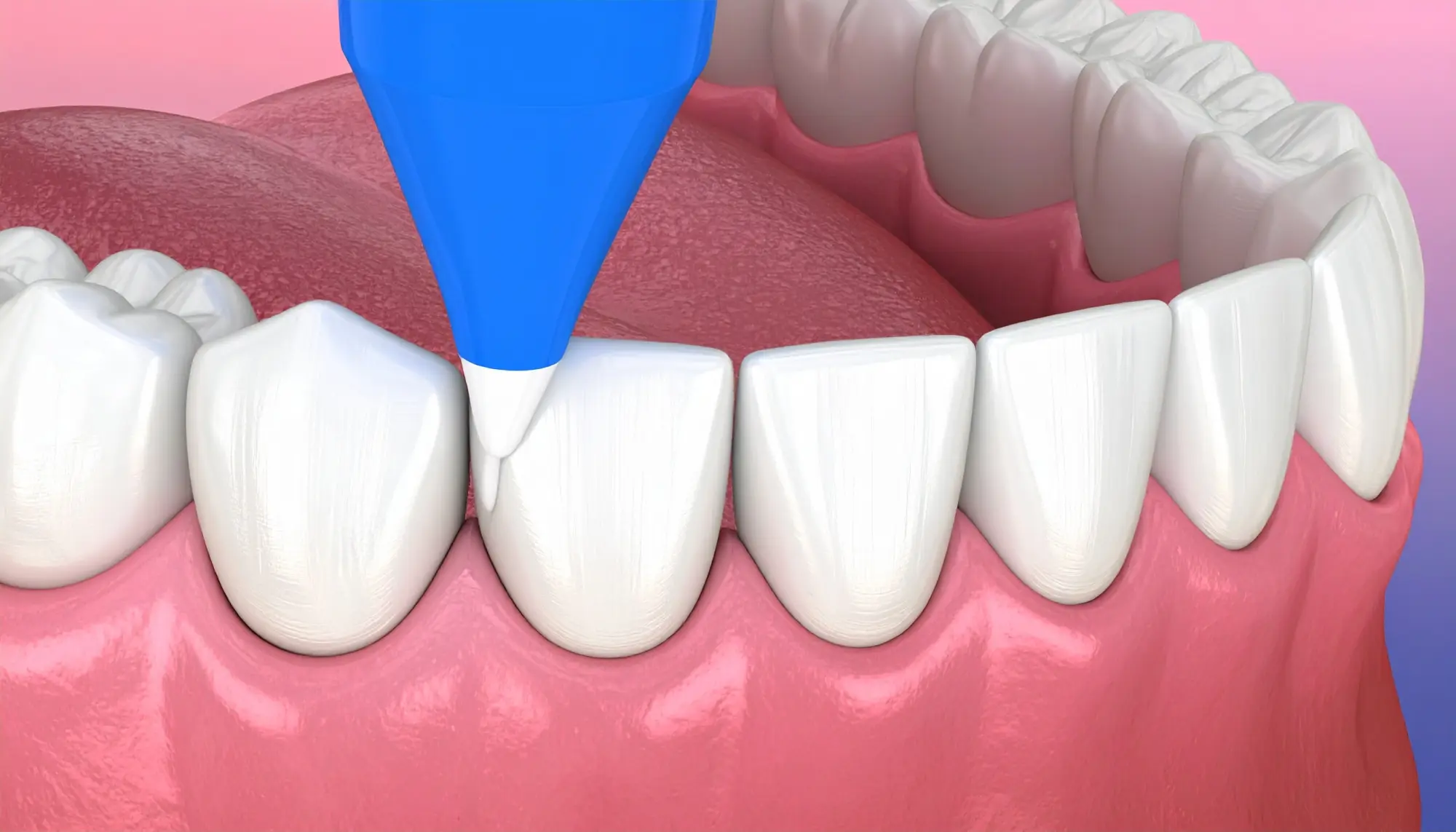
Dental bonding can repair a chip, close a small gap, cover a stain, or reshape an uneven edge in about 30 to 60 minutes per tooth. Your dentist applies tooth-colored composite resin, sculpts it, hardens it with a light, and polishes it. You leave with a finished smile, and there’s no need to wait for weeks while your new smile is built at a dental lab.
At Smiles Made Perfect in Branson, MO, Dr. Gabriel Harr, DDS, and Dr. Jordan Britton, DMD, use bonding for patients who want a noticeable change without a long treatment plan. Our team has earned 250+ 5-star reviews by keeping visits comfortable and pressure-free. Learn more about cosmetic dentistry in Branson and what we offer.
If you have been hiding a small flaw in photos, bonding may be the simplest fix. The cosmetic bonding results are often visible the moment you look in the mirror.
How to Fix a Chipped Tooth Fast With Bonding
A chipped tooth may not always need same-day care, but it should still be fixed as soon as possible, even when the damage is small. Rough edges catch your tongue, and a visible chip can make you self-conscious every time you smile.
Plus, when a tooth is chipped, it’s much more likely to experience further damage or decay. The good news is that most small to moderate chips can be repaired in one appointment with composite dental bonding.
Why Bonding Works So Well for Chips
Tooth-colored composite resin bonds directly to the natural tooth surface. Your dentist adds material only where it is needed, and tooth material only has to be removed if it’s damaged or decayed. That keeps the repair conservative and often means you do not need anesthesia. This is the core of our dental bonding treatment.
What to Do Before Your Visit
If you want to fix a chipped tooth fast, call us as soon as you notice the damage. Save any fragment you can find and rinse your mouth with warm water. Avoid biting hard foods on that side until your appointment, since a small chip can grow into a crack.
When a Chip Needs More Than Bonding
If the chip is large, reaches the nerve, or leaves the tooth painful, bonding alone may not be enough. We will examine the tooth and explain your options in plain language. Our goal is to recommend what the tooth actually needs, not to push a bigger treatment.
Minor Cosmetic Fixes That Bonding Handles Well
Bonding is a go-to option for minor cosmetic fixes because it is flexible, affordable, and quick. It works best when the tooth structure is mostly intact and the change you want is small. Here are the concerns we most often address with it:
- Small chips and worn edges on front teeth
- Narrow gaps between teeth
- Stains that do not respond to whitening
- Teeth that look slightly short or uneven
- Minor shape differences between neighboring teeth
- Exposed root surfaces that look dark or feel sensitive
Because the material is shaped by hand, your dentist can match the color and contour of your surrounding teeth. That is why a well-placed repair blends in instead of looking like an add-on.
What Happens During Your Bonding Appointment
Knowing what to expect can take the nerves out of any dental visit. Bonding is one of the most relaxed treatments we offer, and most patients are surprised by how simple it feels.
Shade Matching and Preparation
We start by choosing a resin shade that matches your natural teeth perfectly. Then the tooth surface is lightly roughened and conditioned so the resin can grip. Numbing is usually not needed unless the repair is near a sensitive area, or some damaged or decayed enamel must be removed for the best result.
Shaping and Hardening
The putty-like resin is applied in thin layers and sculpted to the shape you and your dentist agree on. A curing light hardens each layer within a few seconds. Once the shape is right, we trim and polish the surface until it has the same sheen as your enamel.
Checking Your Bite
Before you leave, we check how your teeth come together. A repair that feels even and natural when you bite down is far less likely to chip later. You can eat and drink normally right after your visit, though we suggest limiting dark drinks for the first couple of days.
Bonding Before and After: What You Can Expect to See
When patients look at bonding before and after photos, the biggest difference is usually in the shape and symmetry of the teeth. A chipped corner becomes whole again. A small gap closes. A tooth that looked a little short now lines up with its neighbors.
Bonding will not change the color of your whole smile, and it does not give the same level of change as veneers. What it offers is a focused improvement that looks natural and keeps your tooth structure intact.
Try Before You Commit
Many people feel unsure about changing their smile. That is why we offer our Free Smile Test Drive. In about 30 minutes, we use composite materials to mock up a new smile you can live in for roughly a day. You see how it looks and feels in real life before deciding on treatment. It’s dentistry built on trust, not pressure, and our Smile Test Drive gives you a real preview instead of a guess.
Cosmetic Bonding Results: How Long They Last and How to Care for Them
With good care, bonding commonly lasts several years, and many patients get five to ten years before a touch-up is needed. Longevity depends on where the bonding sits and how you treat your teeth.
Habits That Protect Your Repair
Composite is strong, but it is not as hard as natural enamel. A few simple habits help the repair last:
- Avoid chewing ice, pens, or fingernails
- Do not open packages with your teeth
- If you clench or grind at night, ask us about a night guard
- Brush twice a day and floss daily
- Keep up with preventive care, including six-month cleanings and checkups
Staining and Touch-Ups
Resin can pick up stains from coffee, tea, red wine, and tobacco over time. Regular polishing helps. If an edge wears down or a small chip appears, bonding is easy to repair or refresh, often in a short visit. Our team will tell you honestly when a repair is worth touching up.
When Bonding Is Not the Best Fit
Bonding is a great tool, but it is not right for every smile. We would rather tell you that up front than have you disappointed later. Another option may serve you better in these situations:
- Large breaks or missing portions of a tooth, which may need a crown
- Widespread discoloration across many teeth, which may call for whitening or veneers
- Crowded or crooked teeth, where Invisalign may give a better long-term result
- Heavy biting forces on the tooth, which can wear or chip resin
- Deep decay or infection, which needs to be treated first
As an Invisalign Diamond provider with comprehensive care in-house, we can talk through every route and help you choose one that fits your goals and your budget. If you want a bigger change, porcelain veneers may be worth considering.
Dental Bonding Starts With a Comfortable, Pressure-Free Visit
If you are looking to explore dental bonding in Branson, Smiles Made Perfect is ready to help. Our spaces are designed to feel welcoming, with a comfortable Patient Lounge and complimentary beverage stations. Patients often tell us it feels like a big family, and that it eased their dental anxiety.
We also want cost to be a comfortable part of the conversation. Flexible financing is available through Cherry and CareCredit, and we offer a membership plan if you do not have insurance. We will go over pricing before treatment begins, so there are no surprises.
Ready to see what one visit can do? Call Smiles Made Perfect at (417) 544-1570 or schedule your bonding consultation with Dr. Harr or Dr. Britton. Our team cannot wait to see you.